ServicesSewage Cleanup
Sewage Cleanup in Meadowbrook
A sewage backup is unpleasant and unsafe, and it needs more than a mop. We pump out the contaminated water, remove what can't be cleaned, disinfect what stays and dry your home properly, then tell you plainly what we found and what comes next.
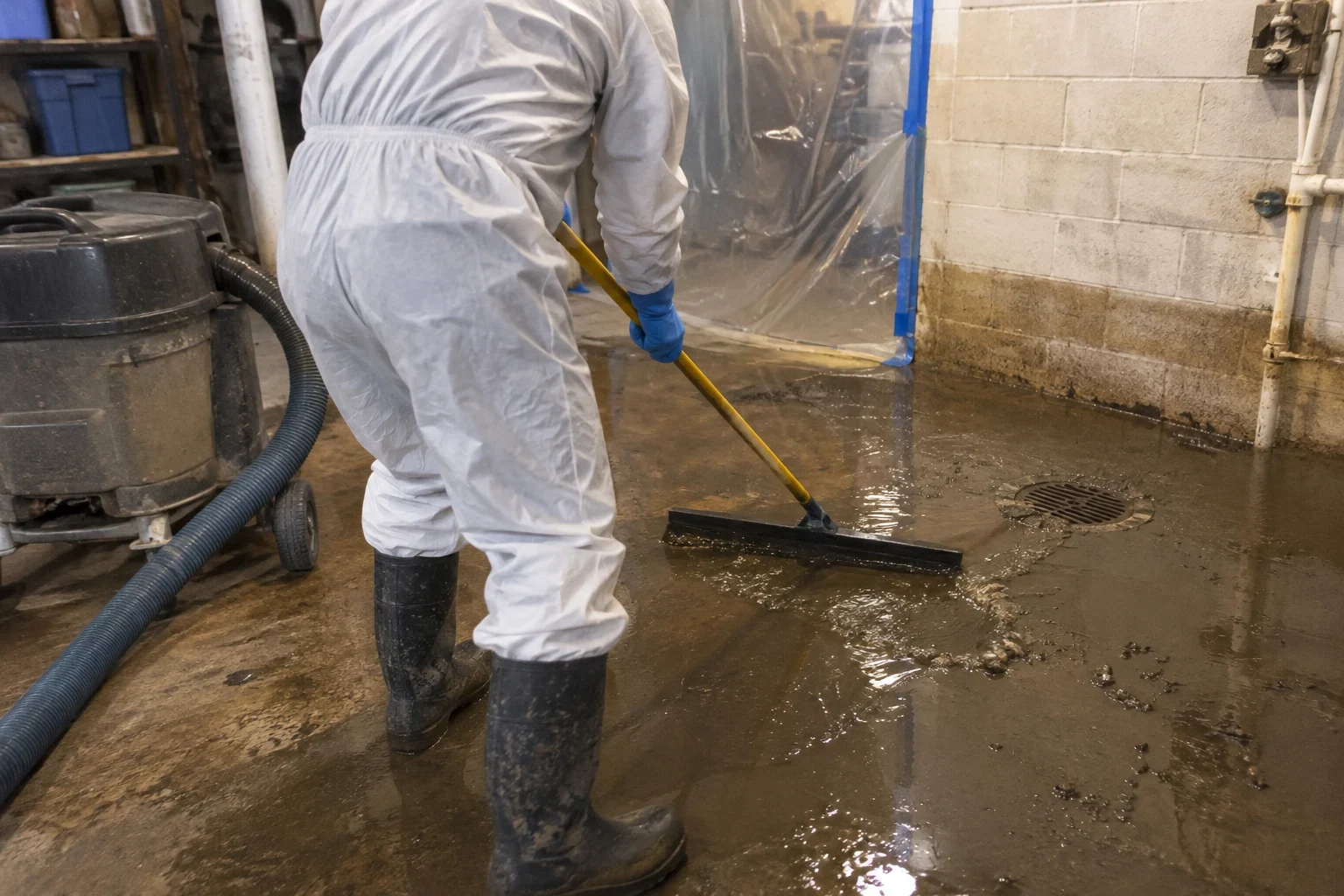
What sewage cleanup involves
Sewage is what the industry calls Category 3 water. It carries bacteria and viruses, and anything porous it soaks into, like carpet pad, drywall and insulation, usually can't be made safe again. That's the main difference from a clean-water leak, where a lot can be dried and kept.
Most backups we see start with a blocked main line, a floor drain in the basement pushing water up, or a toilet that overflows and keeps going. Older homes with clay or cast iron sewer laterals are prone to root intrusion and cracks, so a heavy storm can send water the wrong way. A plumber clears the blockage. We handle everything the water touched.
You'll get straight answers from us: what has to go, what can be cleaned, and why. If you'd rather not be in the house while we work, that's a reasonable choice, and we'll walk you through it before you leave.
What the work covers
Pumping out the sewage
Standing sewage comes out with truck-mounted or portable pumps, and we haul it off for proper disposal. We never push it into a floor drain or another part of the house.
Walling off the work area
Before cleanup starts, we hang plastic barriers around the damaged rooms and set one route in and out for the crew. Clean parts of your home stay clean.
Tear-out of ruined materials
Soaked carpet and pad get pulled up and bagged. On walls, we cut the drywall a measured height above the waterline, a step known as a flood cut, so no wet, contaminated board stays behind the paint.
Scrubbing and antimicrobial treatment
Concrete, tile and exposed framing are scrubbed by hand and treated with an antimicrobial. That cleaning happens first, so we never dry contamination into place.
Drying with readings to prove it
Dehumidifiers and air movers stay on until our meters say the structure is dry. The drying and dehumidifying page covers how that works.
A record for your insurance company
We take photos as we go and list every item that leaves the house. You'll have that record ready when you speak with your insurer.
Signs you're dealing with a sewage problem
Water coming up from a floor drain
If dark or smelly water rises from a basement drain, it's almost always coming from the sewer side. Stop running water in the house until it's cleared.
Gurgling toilets and slow drains everywhere
Several fixtures backing up at once points to a main line blockage. One more shower or load of laundry can push it over the edge.
A sewer smell that won't fade
A lingering odor after a small overflow often means fluid soaked into flooring or wall bottoms. It won't air out on its own.
Stained or soft flooring near a toilet
Repeated small leaks from a wax ring can soak the subfloor over time. The surface may look fine while the wood underneath is not.
Water after a heavy storm
When sewers are overloaded, water can back up into lower floors. Treat storm backup through drains as contaminated, even if it looks fairly clear.
What happens from the first call to the final reading
- 1
Your call and our arrival
Let us know which rooms are wet and about how deep the water is. Our goal is to be on site in 60 mins or less, and while we drive over we'll explain what to stay away from and what you can safely do.
- 2
A walk-through before any work
Moisture meters show us where the water reached, even beneath floors and behind drywall. We go over what needs to come out and what we expect to save, and you hear it before we start.
- 3
Pump-out, tear-out and treatment
Wearing protective gear, the crew puts up barriers and removes the water. Ruined materials are bagged and taken away, then every surface left in place is scrubbed and treated.
- 4
Drying and the last check
Most jobs need several days of equipment, with return visits to read moisture levels. Once the numbers show dry, we share them with you and talk through the rebuild.
What affects the cost of sewage cleanup
There's no honest flat price for a sewage backup, because no two spread the same way. After the inspection we give you a written, line-item estimate so you can see where the money goes. These are the things that move it most.
- How far the water spread
- A bathroom floor is a much smaller job than a finished basement. Square footage of wet material drives labor, disposal and equipment.
- What it soaked into
- Bare concrete cleans up. Carpet, pad, drywall and insulation have to be removed and replaced, which adds both demolition and later rebuild work.
- How long it sat
- Sewage that sits for a day or two wicks higher into walls and gives mold a head start. Faster cleanup usually means less removed.
- Access and contents
- Tight crawlspaces, furniture to move and stored belongings to sort all add time. We'll tell you up front which items we think can be cleaned and which can't.
Sewage cleanup questions
Something not covered here? (804) 701-5848
Can I clean up a small sewage spill myself?
A small toilet overflow onto tile, caught right away, can often be handled with gloves, disinfectant and good ventilation. Once it reaches carpet, drywall or a second room, it's time to call us. Contamination you can't see is the real risk.
Will homeowners insurance cover a sewage backup?
It depends on your policy. Many standard policies handle sewer and drain backup separately, sometimes as an add-on. We work with most major insurance companies and will give you photos and documentation, but your adjuster makes the coverage call.
Is it safe to stay in the house?
Stay out of the affected area and keep children and pets away. If the backup is limited to one part of the home and we contain it, many families stay. If it's widespread or near living spaces, staying elsewhere for a few days is the safer choice.
Do I need a plumber too?
Usually, yes. We clean up the damage, but the blockage or broken line that caused it needs a plumber. If it isn't fixed, the next heavy use or storm can bring it back.
Can my carpet be saved?
Not after sewage contact, in almost every case. The pad absorbs it and can't be decontaminated. Hard flooring and some area rugs sent out for specialty cleaning have a better chance, and we'll be straight with you about which is which.
What about mold afterward?
Proper drying is what prevents it, and we confirm dryness with meter readings before we leave. If mold already started because the water sat a while, our mold remediation service handles that as part of the job.
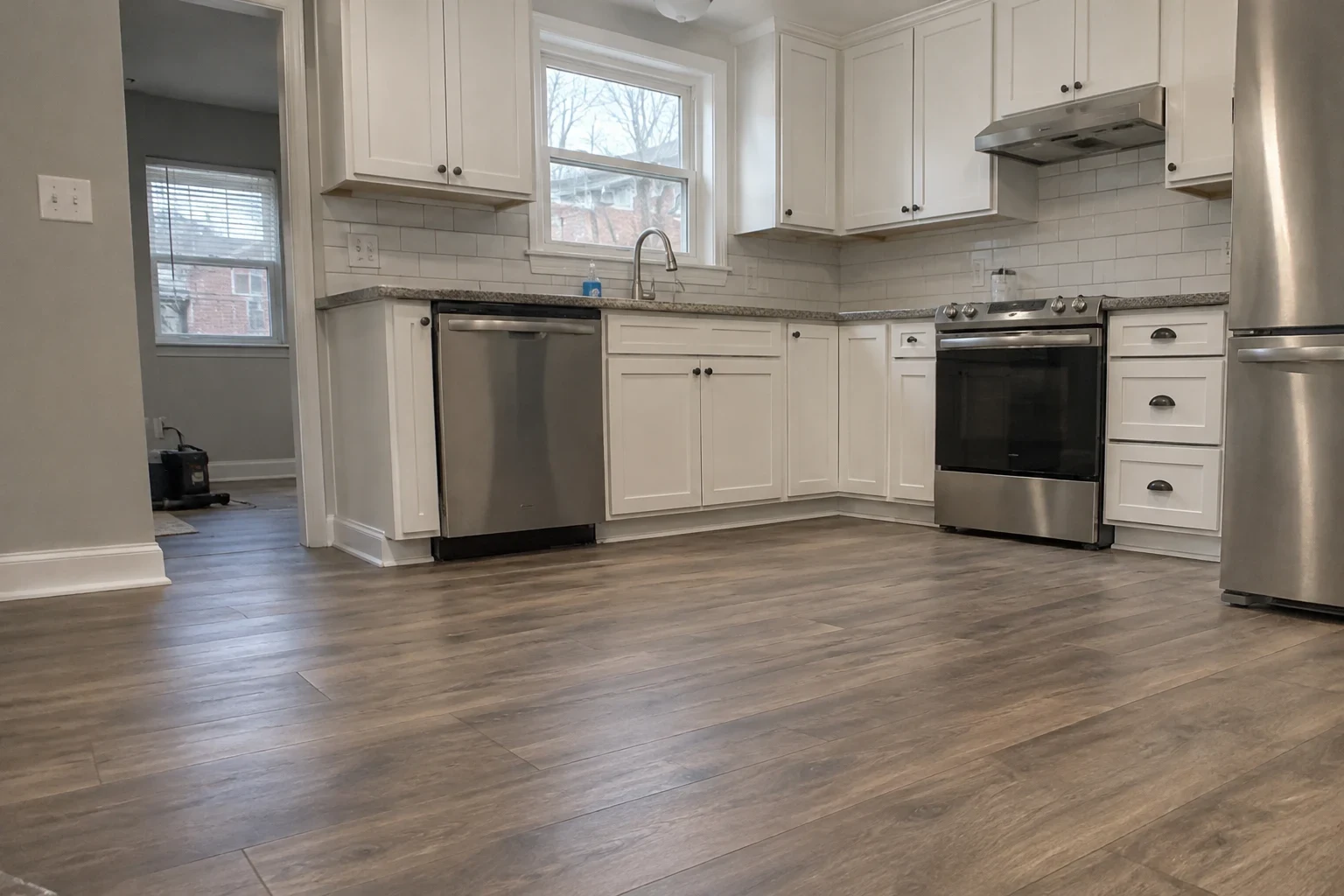
Sewage in your home? Let's get it handled
Keep everyone away from the water and stop using the drains. Then give us a ring and we'll send a crew to Meadowbrook or nearby towns like Chester and Bon Air for a free on-site inspection and a plan you can understand.