ServicesFlood Cleanup
Flood Cleanup in Meadowbrook
When water comes in from outside, it brings mud, debris and bacteria with it. We pump it out, remove what can't be saved, clean and sanitize what can, and dry your home down to the framing. You get straight answers at every step.
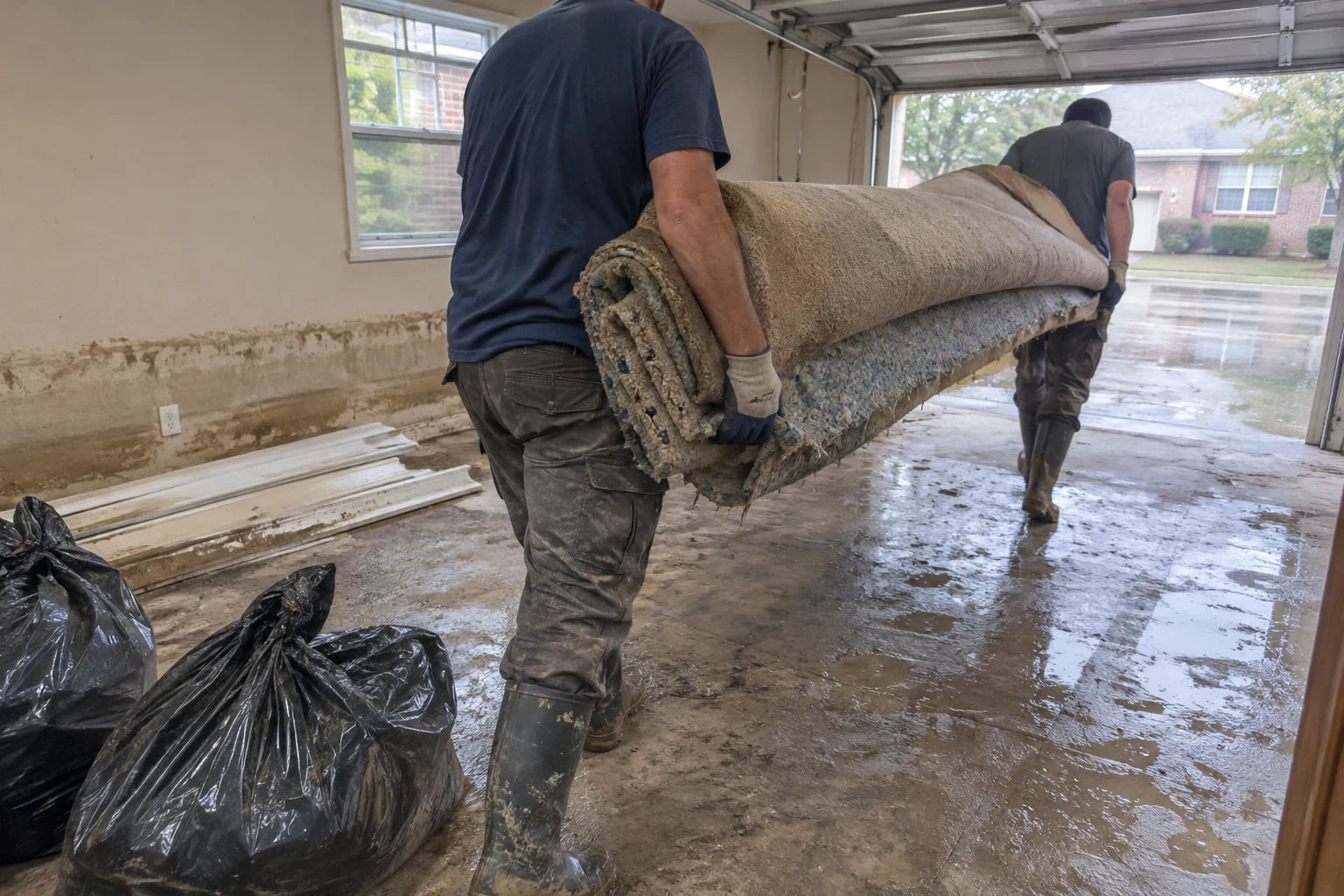
When outside water is the problem
This service is for water that got into your home from outdoors: a creek that topped its banks, storm runoff pouring down into a basement, or groundwater pushing up through a slab or crawl space. Water like that is considered contaminated from the first minute. So before any drying starts, the job means removing ruined materials, cleaning and sanitizing.
A burst supply line or a leaking appliance is a different situation, and our water extraction and drying and dehumidifying services usually fit better there. A backed-up toilet or sewer line calls for sewage cleanup. If you can't tell which one you're dealing with, describe what you're seeing when you call and we'll give you a plain answer.
Here's how it works with us. We're on site in 60 mins or less, we walk through the damage with you, and before any work begins you'll know the cause, your options and what will drive the cost.
What the work includes
Pumping out water and mud
Standing water gets pumped first, then truck-mounted and portable extractors pull out what's left. We shovel and squeegee out the mud and silt and wash the floors down after.
Taking out what can't be saved
Carpet and pad that sat in floodwater can't be safely cleaned, so they come out. We cut wet drywall and insulation away, typically a couple of feet above the waterline, which opens the wall cavity for cleaning and drying.
Cleaning and antimicrobial treatment
We clean hard surfaces, framing and subfloor, then apply an antimicrobial. That keeps bacteria and early mold from taking hold in wood that will eventually be covered back up.
Structural drying
Air movers and dehumidifiers go in, and we take moisture readings on each visit until wood and concrete are back to normal levels.
A paper trail for your insurer
Before materials leave your home, we take pictures of the damage. Daily moisture readings and a list of everything removed go into one file, and that file is yours to hand to your adjuster.
Signs you need flood cleanup
Muddy water in the basement
Brown water or a layer of silt after a storm means the water came from outside. Treat it as contaminated and keep children and pets out of it.
Water rising through the floor
Seepage at the slab joints or along the base of foundation walls points to groundwater. It often keeps coming until the ground drains, so it needs pumping and a plan.
A wet or standing-water crawl space
Water under the house soaks insulation and floor joists out of sight. A musty smell upstairs is often the first clue.
Drywall wicking upward
A damp line climbing the wall above where the water stood means moisture is spreading inside the cavity.
Lingering smell after the water drops
Even once the floor looks dry, a sour or earthy odor tells you contaminated material is still holding moisture.
How a flood cleanup job runs
- 1
Safety check first
We confirm the power is off to flooded areas before anyone steps in the water. We also look for gas smells, structural sagging and other hazards.
- 2
Inspection and a plain plan
We trace where the water went with moisture meters, show you what we found and explain what has to come out and why. You hear the cost drivers before we begin.
- 3
Removal and cleanout
Water, mud and ruined materials come out. We protect the unaffected rooms and paths through your home with floor covering as we go.
- 4
Sanitize and dry
Surfaces are cleaned and treated, then drying equipment runs, typically for several days. We return to take readings and adjust the setup.
- 5
Sign-off and next steps
When readings confirm the structure is dry, we remove the equipment. If walls or floors need putting back, our repairs and rebuild team can pick up from there.
What moves the cost of flood cleanup
No two floods leave the same mess, so we set a price only after we've seen yours. The factors below matter most, and we go over each one with you while we're on site. On the insurance side, we work with most major insurance companies. We're happy to walk you through the usual claim steps, but your adjuster is the one who decides what's covered.
- How much area got wet
- A bigger footprint of soaked floor and wall means more tear-out, more cleaning and more dehumidifiers and air movers running.
- Water depth and time sitting
- Three inches of water and two feet of water are very different jobs. Every day it sits, moisture climbs higher into walls and more material ends up coming out.
- What the water touched
- A finished basement with carpet, drywall and built-in shelving takes more cleanout than bare concrete. Hardwood and laminate also react differently once they've been soaked.
- Getting in and out
- Cramped crawl spaces and long hauls up basement stairs add labor compared with an open room at ground level.
Flood cleanup questions
Something not covered here? (804) 701-5848
Will my homeowners insurance pay for flood cleanup?
It depends on the source. Standard homeowners policies often exclude surface flooding from outside, which is usually covered by a separate flood policy. We are not your adjuster, but we can help you understand the difference and give you the photos and moisture records your insurer will ask for.
Can I clean it up myself?
Small amounts of clear water you might handle. Floodwater from outside carries bacteria, and wet wall cavities and subfloors can stay damp long after the surface looks dry. Without moisture readings, it is easy to close up a wall that is still wet and end up with mold.
Do my carpets have to be thrown out?
Carpet pad that sat in floodwater has to go. Carpet itself is almost always removed too, because it can't be reliably sanitized after contact with outside water. Area rugs are sometimes salvageable by a specialty cleaner, and we will tell you which ones are worth trying.
How long does the whole process take?
Cleanout is usually done in a day or two. Drying commonly runs three to five days, longer for dense materials or deep water. We give you a realistic timeline once we have readings.
What if I already see mold?
Mold can start growing within a couple of days on wet drywall and wood. If we find it, we contain the area and handle it as part of our mold remediation service so it doesn't spread while we dry.
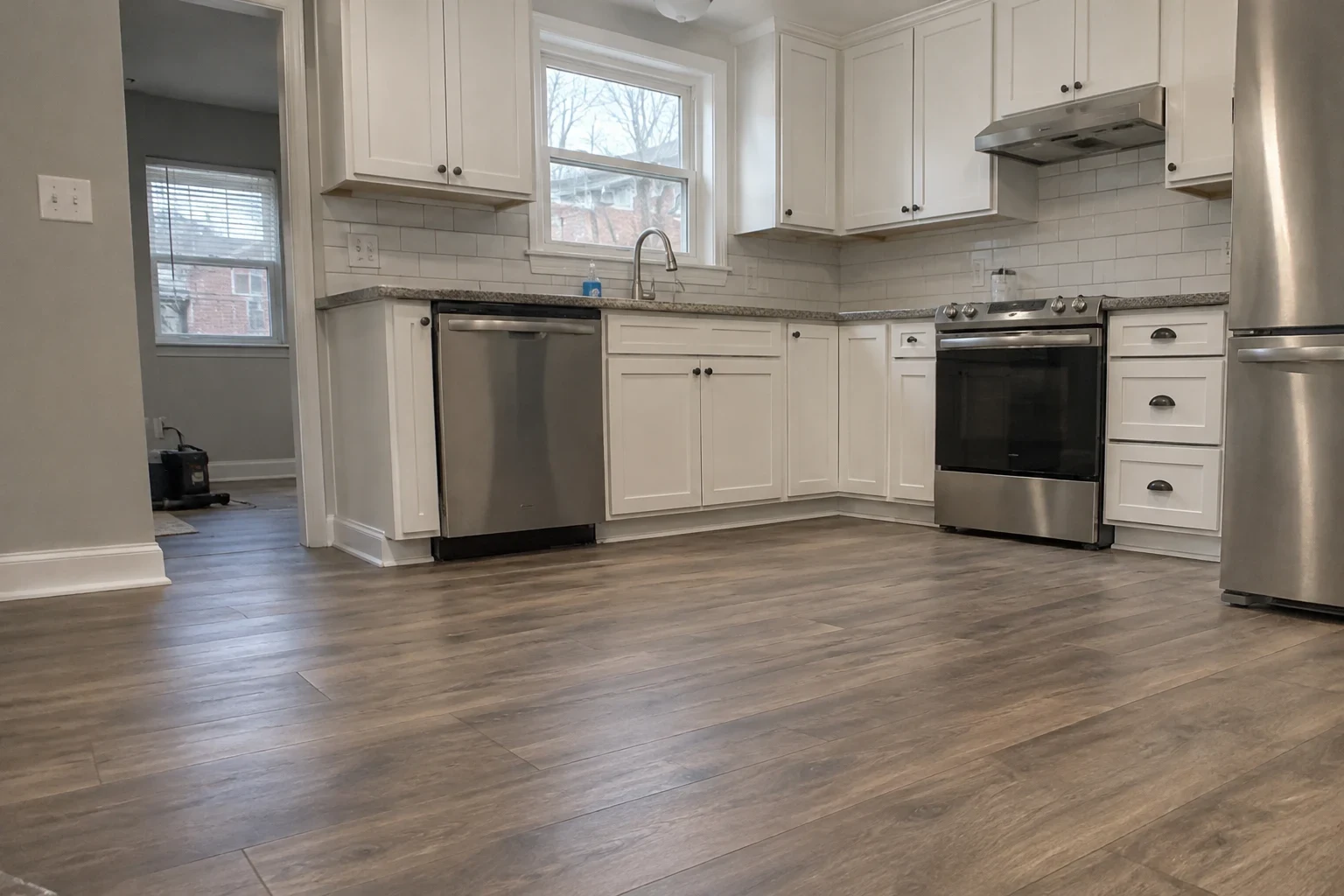
Water in the house right now?
Keep clear of flooded areas with power on and give us a call. We'll come out, show you what's wet and explain your options before anything is torn out.